


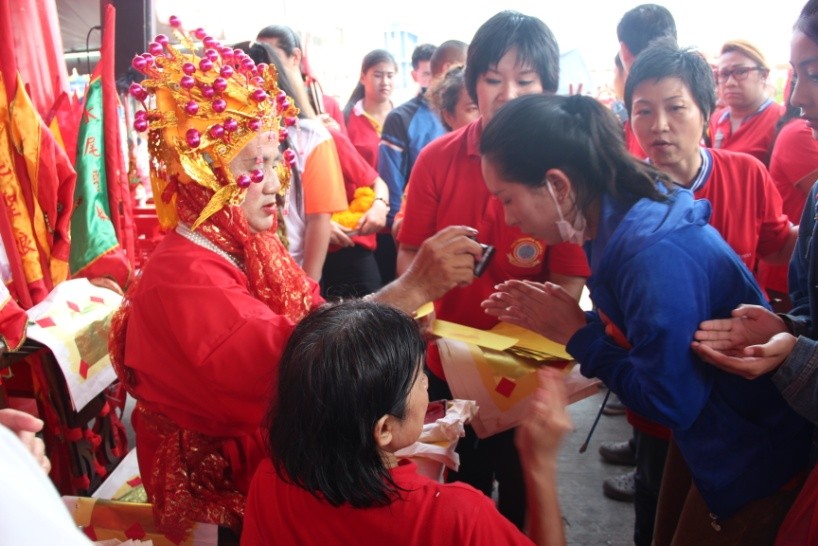
Traditions and Rituals of the Pak Nam Pho Chinese Deity Procession
This book compiles information on the Pak Nam Pho Deity Procession traditions and rituals, with content organized according to the table of contents of the original documents, covering Chinese communities, shrines, deities, annual traditions, procession rituals, and important parades.
Traditions and Rituals of the Pak Nam Pho Chinese Deity Procession
Abstract / Overview
The content of this book on Pak Nam Pho Deity Procession traditions and rituals has been produced to allow readers or interested individuals to study and learn about the Pak Nam Pho Deity Procession. These traditions and rituals are significant to the people of Pak Nam Pho and have been passed down through many generations. This book includes the following key content: the Pak Nam Pho Chinese community and the social conditions of the Chinese community in the past; beliefs and culture; basic religious beliefs of Chinese people in Thailand; the reasons for constructing shrines and the deities worshipped by the Chinese; important information regarding shrines in Pak Nam Pho Market, namely the Chao Pho Thepharak-Chao Mae Tubtim Shrine, Chao Mae Na Pha Shrine, Kao Liao Shrine, and Chao Pho Chao Mae Chum Saeng Shrine; and information regarding the traditions throughout the 12 months and important rituals during various festivals of the Pak Nam Pho Chinese community.
Choose a heading from the table of contents. Selecting a major category will show all subsection content in that category.
Share this document
แชร์เนื้อหาองค์ความรู้และประวัติศาสตร์นี้ไปยังสื่อสังคมออนไลน์
Document Information
Related Documents
Continue from this research to maps, audio, and music groups
Project research connects place, people, sound, and living culture for both academic and public value.